

Accra, Ghana’s bustling capital, is a vibrant metropolis where centuries of history blend seamlessly with contemporary African dynamism. For diaspora travelers seeking to reconnect with their roots or explore West African culture, Accra offers an extraordinary journey through time. From the colonial architecture of Jamestown to modern cultural centers and bustling markets, the city presents a compelling narrative of resilience, independence, and progress.
Whether you’re interested in historical exploration, cultural immersion, culinary adventures, or simply soaking in the energetic urban atmosphere, Accra delivers an unforgettable experience that speaks to both the mind and the soul.
1. Historical Sites to Explore
Jamestown: Where History Lives in Every Corner
Jamestown stands as one of Accra’s oldest districts, founded in the 17th century by the British. This historic neighborhood offers a fascinating glimpse into colonial Ghana while showcasing the resilient spirit of its residents who have transformed the area into a thriving artistic community.
Key Highlights:
Colonial Architecture: Walking through Jamestown feels like stepping back in time. The district features well-preserved colonial buildings with their characteristic weathered facades, wooden shutters, and crumbling elegance that tell stories of a bygone era. These structures serve as reminders of Ghana’s complex history under British rule.
The Jamestown Lighthouse: Built in the 1870s, this iconic red-and-white striped lighthouse still stands tall as a navigational beacon and historical monument. Visitors can climb to the top for panoramic views of the Atlantic Ocean and the sprawling city. The lighthouse offers photographers spectacular opportunities, especially during golden hour when the setting sun casts warm light across the coastal landscape.
Street Art Revolution: In recent years, Jamestown has become Accra’s premier street art destination. Local and international artists have transformed walls, buildings, and alleys into open-air galleries featuring vibrant murals that address themes of identity, history, social justice, and African pride. The Chale Wote Street Art Festival, held annually, has cemented Jamestown’s reputation as a creative hub.
Boxing Gyms: Jamestown is famous for its outdoor boxing gyms where young athletes train along the beachfront. These gyms have produced several national champions and offer visitors a unique cultural experience watching determined fighters perfect their craft against the backdrop of crashing waves.
Practical Tips: Hire a local guide to navigate the narrow streets safely and gain deeper insights into the community’s history and current renaissance. Early morning visits offer the best light for photography and a chance to see daily life unfold.
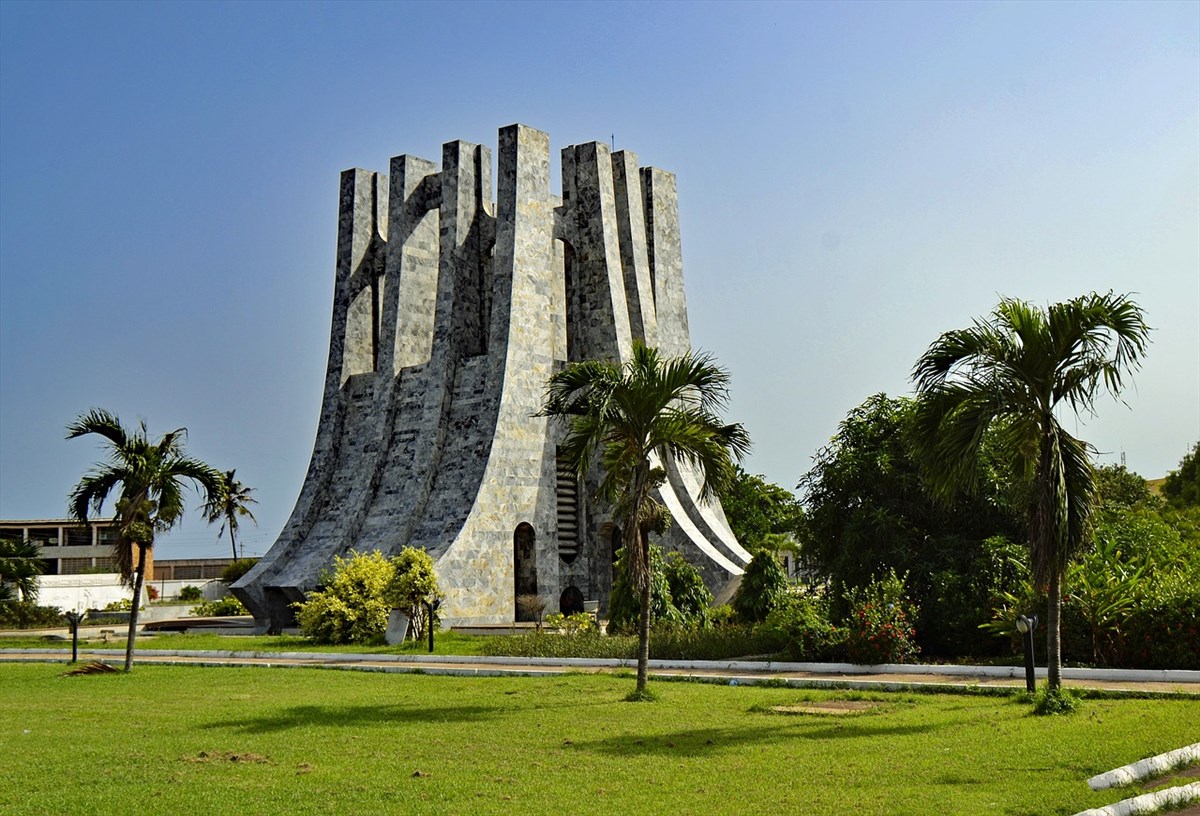
Kwame Nkrumah Mausoleum: Honoring Ghana’s Independence Hero
The Kwame Nkrumah Memorial Park stands as Ghana’s most significant national monument, dedicated to the country’s first president and the father of Ghanaian independence. Located in downtown Accra, this beautifully maintained park and mausoleum complex offers visitors a profound educational experience about Ghana’s journey to freedom.
What to Experience:
The Mausoleum: The centerpiece is an impressive mausoleum where Kwame Nkrumah and his wife Fathia Nkrumah are laid to rest. The structure features Italian marble and is surrounded by fountains and manicured gardens that create a serene atmosphere for reflection. The eternal flame burning at the site symbolizes the enduring spirit of Ghana’s independence.
The Museum: Adjacent to the mausoleum, the museum houses an extensive collection of photographs, documents, personal belongings, and artifacts that chronicle Nkrumah’s life from his early years through his presidency and pan-African advocacy. Exhibits detail the independence struggle, Ghana’s first years as a free nation, and Nkrumah’s vision for African unity.
Educational Programs: The site regularly hosts educational tours for students and visitors, offering guided explanations of Ghana’s independence movement, the broader context of decolonization across Africa, and Nkrumah’s lasting legacy on continental politics.
The Park Grounds: The surrounding park provides a peaceful escape from Accra’s busy streets. Visitors can stroll through well-kept gardens, sit by fountains, and contemplate the sacrifices made for Ghana’s freedom.
Historical Context: Understanding Nkrumah’s role in leading Ghana to become the first sub-Saharan African nation to gain independence in 1957 helps visitors appreciate the monument’s significance not just to Ghana, but to the entire African continent’s liberation movements.
Makola Market: The Heartbeat of Accra Commerce
No visit to Accra is complete without experiencing the sensory explosion that is Makola Market. This sprawling marketplace represents the commercial soul of the city, where thousands of vendors sell everything imaginable in a bustling, colorful, and wonderfully chaotic environment.
Market Sections:
Textiles and Fabrics: Makola is renowned for its incredible selection of African prints, including authentic Ghanaian wax prints, kente cloth, and batik fabrics. Vendors display thousands of colorful patterns, and skilled tailors nearby can create custom garments within days.
Food Section: The market’s food area is a feast for the senses. Fresh produce, spices, dried fish, meats, and local ingredients fill every corner. This is the best place to see ingredients used in traditional Ghanaian cooking and to purchase authentic spices to take home.
Crafts and Souvenirs: From hand-carved wooden sculptures to beaded jewelry, leather goods, and traditional instruments, the craft section offers authentic Ghanaian artisanship at negotiable prices. This is ideal for finding unique gifts and supporting local artisans.
Beauty Products: Discover sections dedicated to African beauty products, including shea butter, black soap, natural hair care products, and traditional cosmetics that have been used for generations.
Shopping Tips:
- Visit in the morning when the market is most active but less crowded
- Bring cash in small denominations (Ghanaian cedis)
- Practice respectful haggling as it’s expected and part of the cultural experience
- Keep belongings secure and stay aware of your surroundings in the crowded spaces
- Consider hiring a local guide who can navigate the maze of stalls and help with negotiations
- Be prepared for the intensity: the market is hot, crowded, and loud, but incredibly authentic
2. Modern Attractions
Labadi Beach: Accra’s Premier Coastal Destination
Labadi Beach (also known as La Pleasure Beach) ranks as Accra’s most popular and accessible beach, offering visitors a perfect blend of relaxation, entertainment, and cultural experiences. Located just a short drive from the city center, this stretch of Atlantic coastline provides both locals and tourists with a vibrant beach atmosphere uniquely Ghanaian in character.
Beach Activities:
Horseback Riding: One of Labadi’s signature experiences is horseback riding along the shoreline. Local operators offer guided rides where you can trot through shallow waves as the Atlantic breeze refreshes you. This activity is suitable for beginners and experienced riders alike, with handlers providing instruction and ensuring safety.
Beach Volleyball and Soccer: Join locals in impromptu beach sports games or simply watch skilled players compete in friendly matches on the sand.
Swimming and Relaxation: While the Atlantic waves can be strong, designated swimming areas offer safer waters. Rent a beach chair and umbrella to relax with a book, or wade in the refreshing ocean waters.
Arts and Culture Centers: Accra’s Creative Pulse
Accra’s contemporary arts scene has exploded in recent years, with numerous galleries, cultural spaces, and performance venues showcasing Ghana’s creative renaissance. These modern cultural centers provide diaspora visitors with insights into contemporary Ghanaian artistic expression.
Notable Venues:
Nubuke Foundation: This contemporary art gallery in East Legon features rotating exhibitions from established and emerging Ghanaian artists. The space includes a sculpture garden, library, and hosts regular artist talks and cultural events.
ANO Institute of Arts and Knowledge: A multidisciplinary arts center offering exhibitions, workshops, film screenings, and performances that explore African identity, history, and contemporary issues through creative expression.
Alliance Française Accra: Beyond French cultural programming, this center hosts international and local artists, musicians, and filmmakers. Their outdoor courtyard regularly features live concerts spanning jazz, afrobeat, and world music.
Gallery 1957: Named after Ghana’s independence year, this contemporary art gallery showcases works by African artists and has become a must-visit destination for art collectors and enthusiasts.
Dining Experiences: A Culinary Journey Through Ghana
Accra’s food scene offers an extraordinary culinary adventure ranging from authentic street food to upscale fusion dining. For diaspora travelers, exploring Ghanaian cuisine provides a delicious way to connect with culture.
Traditional Ghanaian Cuisine:
Must-Try Dishes:
- Jollof Rice: Ghana’s pride and joy, this one-pot rice dish cooked in tomato sauce with spices is the subject of friendly West African rivalry
- Banku and Tilapia: Fermented corn and cassava dough served with grilled tilapia and spicy pepper sauce
- Fufu: Pounded cassava, plantain, or yam served with light soup, groundnut soup, or palm nut soup
- Waakye: Rice and beans dish typically served with spaghetti, boiled eggs, plantain, and protein
- Kelewele: Spicy fried plantain chunks, perfect as a snack or side dish
- Red Red: Black-eyed peas stew served with fried plantains
Street Food Adventures:
For the adventurous eater, Accra’s street food scene offers authentic, affordable, and delicious options:
- Grilled kebabs (kyinkyinga) at roadside stalls
- Fresh coconuts opened on the spot
- Fried yam or plantain chips with pepper sauce
- Bofrot (Ghanaian donuts) for breakfast
- Freshly grilled corn
- Chichinga (spicy grilled meat skewers)
3. Tips for a Smooth City Tour
Transportation Strategies
Hire a Professional Driver: For diaspora visitors unfamiliar with Accra’s road systems, hiring a driver for the day offers the most stress-free experience. Accra’s traffic can be chaotic, signage is sometimes unclear, and parking in popular areas is challenging. Professional drivers know alternative routes, cultural norms, and can offer local insights.
Use Reputable Ride-Sharing Services: Uber and Bolt operate extensively in Accra and offer safe, convenient transportation at reasonable rates. These apps eliminate haggling and provide transparent pricing, though prices surge during peak traffic hours.
Consider Tro-Tro for Authentic Local Experience: Adventurous travelers might try tro-tros (shared minivans) for short distances. This is the most economical option and offers authentic cultural immersion, though routes can be confusing for first-timers and vehicles can be crowded.
Independent Exploration: For confident travelers, combining guided tours of historical sites with independent exploration of markets, beaches, and restaurants offers flexibility while ensuring you receive proper historical context at significant locations.
Practical Visitor Information
Best Time to Visit: Accra is pleasant year-round, but the dry season (November to March) offers the most comfortable weather. Harmattan winds in December and January bring cooler temperatures and dusty conditions.
What to Wear:
- Lightweight, breathable clothing for hot, humid weather
- Comfortable walking shoes for market and historical site visits
- Modest dress when visiting monuments and museums
- Swimwear for beach visits
- Light jacket for air-conditioned venues
Conclusion
Accra city tours offer diaspora travelers an extraordinary opportunity to experience Ghana’s capital as both a historical treasure and a modern, thriving African metropolis. From the colonial streets of Jamestown to the eternal flame at Kwame Nkrumah’s mausoleum, from the vibrant chaos of Makola Market to sunset horseback rides at Labadi Beach, Accra delivers profound connections to African heritage while showcasing contemporary creativity.
For diaspora visitors seeking both education and entertainment, cultural immersion and modern comfort, Accra provides the perfect balance. The city welcomes you not as a tourist observing from the outside, but as family returning home. Plan your tour with intention, remain open to unexpected discoveries, and engage with locals who take pride in sharing their city. Accra invites you to become part of its ongoing story.
SIGN UP HERE
Key historical sites in Accra include Jamestown, known for its colonial architecture and street art; the Kwame Nkrumah Mausoleum, which honors Ghana’s first president and independence hero; and Makola Market, the commercial heart of the city that reflects Accra’s trading history and daily life.
An Accra city tour can be completed in one full day, but a two- to three-day itinerary allows visitors to explore historical landmarks, modern attractions, cultural centers, beaches, and dining spots at a more relaxed pace.
Popular modern attractions include Labadi Beach for relaxation and entertainment, contemporary art spaces like Gallery 1957, Nubuke Foundation, ANO Institute, and Alliance Française Accra, as well as Accra’s vibrant restaurant and nightlife scene.
The most convenient options are hiring a professional driver or using ride-hailing apps like Uber and Bolt. These provide comfort, safety, and flexibility, especially for visitors unfamiliar with Accra’s traffic and road systems. Tro-tros offer a more local experience but may be challenging for first-time visitors.