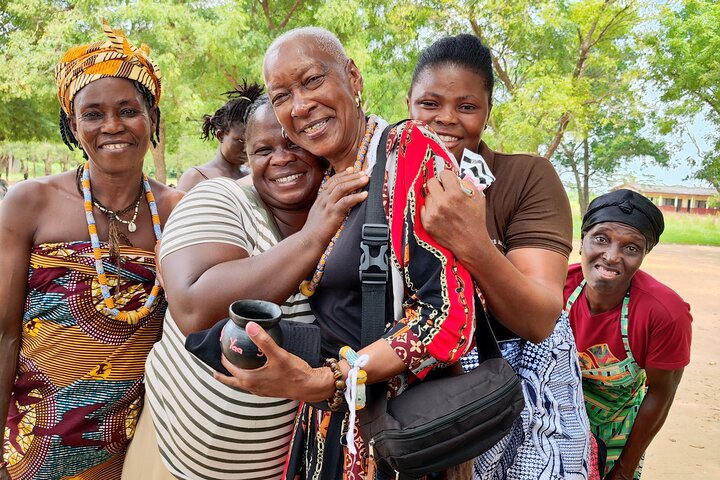

For members of the global Ghanaian diaspora and those seeking to reconnect with their West African heritage, understanding the pathways to Ghanaian citizenship is essential. Whether you’re looking to reclaim ancestral roots, establish permanent residence, or formalize your connection to the country, Ghana offers several routes to citizenship and residence status.
Ready to begin your journey? If you’re planning to visit Ghana to explore your options, gather documents, or experience the country firsthand, get your Ghana visa on arrival and start your citizenship journey today.
Understanding Ghanaian Citizenship
Ghana’s citizenship framework is regulated by the Constitution of Ghana and the Ghana Citizenship Act of 2000. The law recognizes citizenship through several means: birth, descent, registration, naturalization, adoption, and foundling status. Additionally, Ghana has permitted dual nationality since 2000, making it possible for diaspora members to maintain their current citizenship while acquiring Ghanaian nationality.
Citizenship by Birth and Descent
If you were born after January 7, 1993, you qualify as a Ghanaian citizen if you were born in or outside Ghana and either of your parents or one grandparent was a citizen of Ghana. This means that even third-generation diaspora members can claim citizenship through their grandparents.
For those born in earlier periods, the requirements vary slightly based on your birth date. Children under 16 years old who have been adopted by a Ghanaian citizen automatically become Ghanaian citizens by virtue of the adoption.
To establish citizenship by descent, you’ll need to provide evidence of your Ghanaian lineage, typically through your parent’s or grandparent’s passport, birth certificate, or other official documentation proving their Ghanaian nationality.
Citizenship by Registration
For Spouses of Ghanaian Citizens
Marriage to a Ghanaian citizen provides a direct pathway to citizenship. Spouses of Ghanaian citizens can apply for registration as citizens, with the process requiring proof of marriage to a Ghanaian citizen and meeting residency and character requirements.
However, there’s a notable difference based on gender: while foreign women married to Ghanaian men can acquire nationality immediately, foreign men marrying Ghanaian women are required to establish permanent residency in Ghana. Following registration and taking the oath of allegiance, citizenship becomes effective from the date stated on the certificate.
General Registration Requirements
For other applicants seeking registration, citizens of approved countries may, upon application and with the approval of the President, be registered as citizens of Ghana if they have been resident for five years (or a shorter period in special circumstances) immediately before the application, and can speak and understand an indigenous language of Ghana.
Citizenship by Naturalization
Naturalization is the process through which foreign nationals can become Ghanaian citizens after meeting specific criteria. According to official requirements, applicants must demonstrate that they intend to reside permanently in Ghana and possess a valid residence permit at the time of application.
The Ghana Immigration Service conducts an investigation to verify the details of your application, and the Minister reviews the investigation report before issuing the appropriate certificate of citizenship. Successful applicants typically need to take an oath of allegiance to Ghana.
Required Documents for Naturalization
Applications must be submitted to the Minister of the Interior and include:
- An application letter addressed to the Minister for the Interior
- Copy of residence permit or indefinite residence permit
- Four passport-sized photographs with white background
- Copy of Certificate to commence business or Company Code (if applicable)
- Evidence of good character supported by witness statements
Right of Abode: An Alternative for the Diaspora
For members of the African diaspora who may not qualify for citizenship or prefer a more flexible option, Ghana offers the Right of Abode status. This is particularly significant for diaspora members seeking to return to their ancestral homeland.
What is Right of Abode?
Right of Abode is a form of residence status conferred on persons of African descent in the Diaspora, granting the holder the right to reside permanently in Ghana, enter Ghana without a visa, and work or be employed without a work permit.
Who Qualifies?
A person of African descent is defined as someone whose immediate forebears have resided outside the African continent for at least three generations but whose origin, either by documentary proof or by ethnic characteristics, is African. This definition encompasses African Americans, Afro-Caribbean individuals, and others in the diaspora with African ancestry.
Benefits of Right of Abode
Holders of Right of Abode status enjoy several advantages:
- Permanent residence in Ghana without immigration restrictions
- Visa-free entry into Ghana
- Ability to work without a work permit
- Freedom to enter and exit Ghana without restrictions
- Eligibility for dependents to join on dependent permits
Application Requirements for Right of Abode
Applications require completed forms, two current passport-size photographs, a letter of application, attestation letters by two Ghanaians who are either Notaries Public, lawyers, or senior public officers with copies of their national ID, photocopy of passport, and evidence of contribution to Ghanaian economic development.
Additional requirements include:
- Current police report from Ghana
- Proof of financial standing through personal bank statements
- Evidence of capability of making substantial contribution to Ghana’s development
- Evidence of immovable properties (if applicable)
One important requirement is that applicants must be lawfully residing in Ghana at the date of application and have resided in Ghana for at least seven years, with proof of African roots.
Dual Citizenship Process
Ghana’s acceptance of dual citizenship has been particularly beneficial for the diaspora. Ghanaians who have acquired US Citizenship or citizenship of another country are eligible to apply for dual citizenship recognition.
Application Procedure
Applicants must complete a Dual Nationality Application Form, with the form fully completed before submission to the Consulate for onward transmission to the Ministry of Interior in Accra.
Required documents include:
- Evidence of Ghanaian nationality (parent’s passport, birth certificate, voter’s ID card, or Ghanaian passport)
- Evidence of citizenship of another country (current passport or Certificate of Naturalization)
- Four photographs with your name written on the back
- Names and contact information of two close relatives in Ghana
Processing Time and Important Considerations
Dual citizenship applications currently take between six and twelve months to be processed by the Ministry of Interior. Upon approval, applicants receive a Dual Citizenship certificate and ID card.
An important travel requirement: it is an offense for dual citizenship holders to use two passports interchangeably to deceive an immigration officer; holders should travel with their certificate of Dual Citizenship and only one passport of their choice.
Restrictions on Dual Citizens
While Ghana permits dual citizenship, there are certain restrictions. Persons with dual nationality cannot hold certain public offices and cannot be Members of Parliament or Speaker of Parliament, due to concerns about conflict of interest, national security, state allegiance, and confidentiality.
The Application Process: Step by Step
- Determine Your Eligibility: Assess which pathway to citizenship or residence applies to your situation based on your ancestry, relationship to Ghanaian citizens, or length of residence.
- Gather Documentation: Collect all required documents, ensuring they are properly certified and translated if necessary. Non-English documents require certified translations.
- Submit Application: Applications must be submitted to the Ministry of Interior through the appropriate channels. For those abroad, submissions can be made through Ghana’s diplomatic missions.
- Undergo Verification: The Ghana Immigration Service conducts background checks and verifies the information provided in your application.
- Await Decision: Processing times vary by application type, but generally range from six months to over a year.
- Take Oath of Allegiance: Successful applicants typically must take an oath of allegiance to Ghana to complete the process.
Practical Considerations
The Ghana Card
The Ghana Card is a national identity card issued by the National Identification Authority to all Ghanaian citizens, and evidence of acquired citizenship such as Naturalization or Registration Certificates is required for registration. The Ghana Card facilitates access to services and makes it easier to prove identity or citizenship.
Cost Considerations
Fees vary depending on the type of application. Dual citizenship applications cost $200 for the form and processing. Right of Abode applications have separate government and service fees that should be confirmed directly with the Ghana Immigration Service.
Seeking Professional Assistance
Given the complexity of citizenship and immigration law, many applicants benefit from working with immigration lawyers or consultants who specialize in Ghanaian nationality matters. These professionals can assess eligibility, review documentation, complete forms, and liaise with officials to ensure timely processing.
Looking Forward: Ghana’s Welcome to the Diaspora
In 2000, Ghana introduced the Right of Abode Act, granting unrestricted rights to travel and work in the country for African descents and the diaspora. This initiative, along with campaigns like the 2019 Year of Return marking 400 years since the first recorded arrival of enslaved Africans in the Americas, demonstrates Ghana’s commitment to welcoming diaspora members home.
For those seeking to establish or formalize their connection to Ghana, understanding these pathways is the first step toward realizing that goal. Whether through citizenship by descent, naturalization, registration, or Right of Abode status, Ghana offers opportunities for diaspora members to reconnect with their heritage and contribute to the nation’s development.
Conclusion
Obtaining Ghanaian citizenship or residence status is a significant undertaking that requires careful preparation and attention to legal requirements. The process may take time, but for many in the diaspora, the opportunity to formalize their connection to their ancestral homeland makes the journey worthwhile.
As Ghana continues to strengthen its ties with diaspora communities worldwide, these legal pathways serve as bridges connecting past and present, enabling individuals to reclaim their place in the nation’s future while honoring their heritage.