
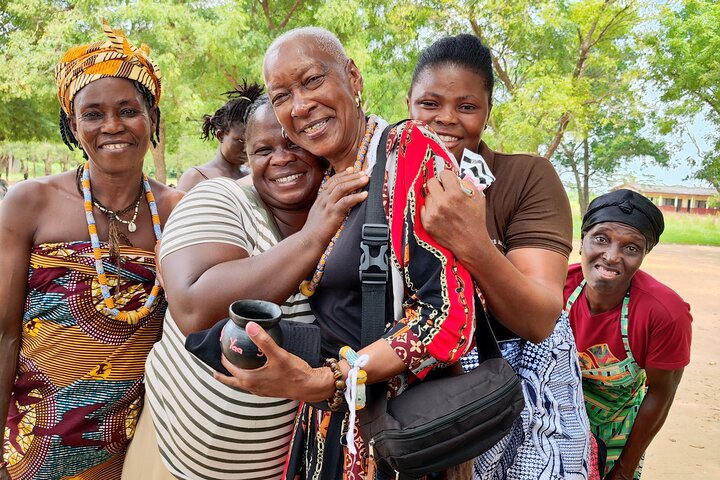
For members of the African diaspora, tracing ancestral roots in Ghana represents more than genealogical research it’s a profound journey of identity, healing, and reconnection. With Ghana’s growing infrastructure for heritage tourism and genealogical research, discovering your family history has become more accessible than ever before. This comprehensive guide will help you navigate the process of uncovering your Ghanaian ancestry.
Understanding the Challenge and Opportunity
Tracing African ancestry comes with unique challenges. The transatlantic slave trade deliberately severed family connections, destroyed records, and erased identities. Many enslaved Africans were given new names upon arrival in the Americas, making direct lineage tracking difficult. However, modern DNA testing, improved archival access, and Ghana’s commitment to diaspora engagement have created unprecedented opportunities for ancestral discovery.
Ghana’s government has actively encouraged heritage tourism through initiatives like the Year of Return (2019), which commemorated 400 years since the first enslaved Africans were taken from West African shores, and Beyond the Return, an ongoing program supporting diaspora reconnection and resettlement.
Preparing for Your Ancestral Search
Gather Family Information
Before traveling to Ghana, collect as much information as possible from your family:
Oral Histories: Interview your oldest living relatives. Ask about:
- Family names, nicknames, and naming patterns
- Stories about ancestors, especially those from the earliest generations
- Any mention of African origins, ethnic groups, or regions
- Physical descriptions, occupations, or distinctive traits
- Family traditions that might have African origins
Document Collection: Gather all available family records, including:
- Birth, marriage, and death certificates
- Church records and baptismal certificates
- Wills, land deeds, and estate documents
- Old photographs and letters
Create a Family Tree: Use genealogy software or online platforms like Ancestry.com or FamilySearch to organize your findings. Document what you know and identify gaps in your knowledge.
Consider DNA Testing
DNA testing has revolutionized ancestry research for African Americans and other diaspora members. Several companies offer services specifically designed for African ancestry tracing:
- African Ancestry
- AncestryDNA
- AfroRoots
Important DNA Testing Considerations:
- DNA tests provide regional and ethnic group probabilities, not definitive proof of specific village origins
- Results show where people who share your DNA live today, which may differ from where your ancestors lived centuries ago
- Autosomal tests work best when combined with traditional genealogical research
- For best results, have multiple family members test to compare results
Research Ethnic Groups and Regions
Ghana is home to over 100 ethnic groups, with five major groupings:
Akan (44% of Ghana’s population): The largest ethnic group, predominantly located in southern and western Ghana. Major subgroups include:
- Asante (Ashanti) – Kumasi and Ashanti Region
- Fante – Central Region coastal areas
- Akuapem – Eastern Region
- Akyem – Eastern Region
- Nzema – Western Region
Ewe: Located primarily in the Volta Region in southeastern Ghana
Mole-Dagbani: Northern ethnic groups including Dagomba, Mamprusi, and Gonja
Ga-Adangbe: Greater Accra Region and southeastern areas
Guan: One of the oldest ethnic groups, scattered throughout Ghana
Understanding these ethnic divisions can help focus your research, especially if DNA results suggest connections to specific regions.
Tools and Resources in Ghana
Public Records and Archives Administration Department (PRAAD)
The national archives system, established in 1946, is your primary resource for historical records:
Main Locations:
- National Archives: Accra
- Regional Archives: Kumasi (Manhyia Archives), Cape Coast, Tamale, Koforidua, Sekondi, Ho, and Sunyani
Holdings Include:
- Administrative records (colonial and post-independence)
- Birth, marriage, and death records
- Court records and land documents
- Church and ecclesiastical records
- Newspaper collections
- Colonial Secretary’s Office records from the Gold Coast era
- Private papers of distinguished individuals
- Maps and plans
What to Know:
- Records primarily date from the colonial period (1890s-1957) forward
- Earlier records are limited due to oral tradition-based societies
- Some regional archives hold over 30,000 boxes of documents
- Professional archivists can assist with searches
- Bring identification and be prepared to pay nominal research fees
- Photography policies vary by location
Planning Your Ancestry Trip
Combine Archival Research with Cultural Immersion:
- Schedule 2-3 days for archive visits in Accra or regional capitals
- Allow time for unexpected discoveries that may require follow-up research
- Balance research days with cultural experiences and site visits
- Keep detailed notes and photograph relevant documents (with permission)
Village Visits and Community Connections:
- If DNA or research suggests a specific region, plan village visits
- Meet with community elders who may remember family names
- Attend local festivals or ceremonies if timing allows
- Participate in traditional customs respectfully
- Exchange contact information with any potential relatives or helpful contacts
Document Everything:
- Keep a detailed journal of your journey
- Photograph (with permission) documents, locations, and people you meet
- Record audio or video of oral histories shared by elders
- Collect business cards and contact information
- Save all receipts and research notes
What You Might Discover:
- Ethnic group and regional origins
- Connections to specific villages or communities
- Living relatives through DNA matching
- Cultural practices and traditions of your ancestors
- Historical context about the slave trade in your ancestral region
- A deeper sense of identity and belonging
Challenges You May Face:
- Limited written records from pre-colonial periods
- Common surnames that complicate identification
- Language barriers in rural areas
- Oral traditions that are incomplete or conflicting
- The possibility of not finding specific village origins
- Emotional intensity of confronting slavery’s history
Remember: The journey itself has value even if you don’t find all the answers you seek. Many diaspora travelers find profound meaning in connecting with Ghana’s culture, visiting ancestral regions, and participating in traditional ceremonies, regardless of whether they identify specific villages or living relatives.
Conclusion
Tracing your family tree in Ghana is a transformative journey that connects you with your personal history while offering a rich, immersive cultural experience. Whether you discover specific village origins, identify living relatives through DNA, or simply walk the lands your ancestors knew, the journey provides profound insights into identity, belonging, and heritage.
Ghana’s welcoming spirit, combined with modern tools like DNA testing and improved archival access, has made ancestral reconnection more possible than ever. The process requires patience, persistence, and realistic expectations, but the rewards is a deeper understanding of who you are and where you come from are immeasurable.
Start by interviewing older relatives for oral histories, family naming patterns, and traditions. Collect all available records such as birth, marriage, and death certificates, and use genealogy platforms like Ancestry.com to organize your findings and identify knowledge gaps.
If research identifies a specific region, plan village visits to meet with community elders who may remember family names. Engaging in local festivals and traditional customs respectfully can also help establish meaningful community connections and uncover oral traditions.
Challenges include limited written records from the pre-colonial era, language barriers in rural areas, and conflicting oral traditions. It is important to have realistic expectations, as identifying a specific village of origin can be difficult due to the history of the slave trade.