
Kumasi, the Garden City of West Africa and capital of the Ashanti Region, offers diaspora travelers an immersive journey into one of Africa’s most powerful and enduring kingdoms. As the historical and spiritual heart of the Ashanti Kingdom which still exists today as a constitutionally protected traditional state within Ghana, Kumasi provides unparalleled access to royal heritage, sacred sites, and living traditions that have survived for over 300 years.
Understanding the Ashanti Kingdom
The Ashanti Kingdom was founded in 1701 by Asantehene Osei Tutu I, who unified 30 smaller states into a powerful empire. With the help of the legendary priest Okomfo Anokye, he established Kumasi as the capital and introduced the Golden Stool (Sika Dwa Kofi), the sacred symbol that embodies the soul of the Ashanti people. Today, the current Asantehene, Otumfuo Osei Tutu II, continues this royal lineage, maintaining centuries-old traditions while guiding his people into the modern era.
Must-Visit Ashanti Heritage Sites
Manhyia Palace Museum
The Royal Residence Turned Museum
The Manhyia Palace Museum stands as the premier destination for understanding Ashanti royalty and history. Built by the British in 1925 to receive Asantehene Prempeh I upon his return from 28 years of exile in the Seychelles, the original palace served as the royal residence until 1974. It was converted into a museum in 1995 by Otumfuo Opoku Ware II during his Silver Jubilee celebration.
What You’ll Experience:
- Guided Tours: Professional tour guides provide personalized 30-45 minute tours explaining Ashanti history, the colonial period, and the significance of royal artifacts
- Royal Artifacts: View life-sized effigies of past Asantehenes and queen mothers, including the legendary Yaa Asantewaa, who led the final Ashanti war against the British in 1900
- Gold Treasures: Admire gold weights, bracelets, and ceremonial objects and some recently returned from international museums
- Video Presentations: Watch introductory films about Ashanti culture and the palace’s history
- Sacred Black Stools: See the preserved stools of past rulers, which hold spiritual significance for the Ashanti people
Centre for National Culture (Kumasi Cultural Centre)
A Living Museum of Ashanti Artistry
Established in 1956 before Ghana’s independence, the Centre for National Culture showcases the rich artistic traditions of the Ashanti people within peaceful, shaded grounds that offer respite from Kumasi’s bustling streets.
What You’ll Discover:
- Active Craft Workshops: Watch skilled artisans practice traditional crafts including:
- Kente cloth weaving
- Wood carving
- Brass-working
- Pottery and ceramics
- Beadwork and jewelry making
- Batik and tie-dye textiles
- Prempeh II Jubilee Museum: Located within the Centre, this museum houses important Ashanti artifacts and royal memorabilia
- Marketplace: Purchase authentic handmade items directly from artisans, supporting local craftsmanship and taking home meaningful souvenirs
- Cultural Performances: Regular presentations of traditional Ashanti drumming, dancing, and storytelling (typically scheduled in the afternoons)
- Food and Refreshments: Sample Ghanaian dishes like jollof rice, kelewele (spicy fried plantains), and traditional stews at on-site food stalls
Kejetia Market
West Africa’s Largest Indoor Market
Kejetia Market isn’t just a shopping destination, it’s a sensory immersion into daily Ashanti life. Originally established in 1924, the market underwent massive redevelopment starting in 2015, transforming it into a modern three-story complex while maintaining its authentic character. With over 8,000 stores and stalls, approximately 50,000 daily visitors, and 20,000 vendors, Kejetia truly earns its reputation as the largest single market in West Africa.
What Makes It Special:
- Three-Level Structure: The redeveloped market features organized sections across three floors, making navigation easier while preserving its traditional marketplace atmosphere
- Incredible Variety: Find virtually anything, including:
- Traditional kente cloth and African prints
- Handmade crafts and souvenirs
- Fresh produce and local ingredients
- Electronics and household goods
- Clothing, shoes, and accessories
- Traditional medicines and herbs
- Cultural Experience: Experience the vibrant energy where Kumasi’s economic and cultural life intersect, with traders from Ghana and neighboring countries
Okomfo Anokye Sword Site
The Sacred Symbol of Ashanti Unity
Located on the grounds of the Komfo Anokye Teaching Hospital in Bantama, this sacred site commemorates one of Ghana’s greatest spiritual leaders and the founding of the Ashanti Kingdom.
The Legend:
Over 300 years ago, as various Ashanti clans were being unified, the legendary priest Okomfo Anokye planted a sword into the ground as a symbol of eternal unity. He declared that the sword would never be removed, and that if anyone succeeded in pulling it out, the Ashanti Kingdom would collapse. Despite countless attempts, including by Muhammad Ali in 1994, the sword remains firmly embedded in the rock.
What You’ll Experience:
- A quiet, reflective sacred space with cultural significance
- The unmoved sword, visible and protected
- Replica of the Golden Stool
- Historical photographs and explanations
- Knowledgeable guides who share the detailed history
Experiencing Living Traditions: The Akwasidae Festival
What Is Akwasidae?
For a truly transformative cultural experience, time your visit to coincide with the Akwasidae Festival, held every six weeks (42 days) on a Sunday at the Manhyia Palace. This sacred ceremony has been celebrated for over 300 years and offers visitors a window into living Ashanti traditions.
What Happens at Akwasidae
Public Durbar (Late Morning/Afternoon): The public celebration at Manhyia Palace includes:
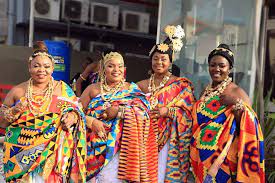
- Grand Processions: Chiefs and queen mothers from across the Ashanti Region arrive with their entourages, accompanied by traditional drummers, all dressed in stunning kente cloth and gold ornaments
- The Asantehene’s Arrival: The king is carried on a palanquin, wearing magnificent royal regalia including gold jewelry
- Homage and Tributes: Subjects present gifts and pledges of loyalty to the king
- Cultural Performances: Traditional drumming, dancing, and horn-blowing create an electrifying atmosphere
- Royal Durbar: The Asantehene addresses his people, resolves disputes, and bestows honors
Planning to Attend Akwasidae
Visitor Tips:
- Arrival Time: Come early (by 9:00-10:00 AM) to secure a good viewing spot
- Dress Respectfully: Smart casual or traditional attire; many visitors wear colorful clothing
- What to Bring: Camera (photography allowed in public areas), water, sunscreen, hat
- Duration: Plan for 3-4 hours minimum
- Be Respectful: This is a sacred ceremony, not just a tourist event
Practical Travel Tips
Getting Around Kumasi:
- Taxis and ride-sharing apps are readily available
- Most major sites are within 10-15 minutes of the city center
- Hire a guide or tour company for comprehensive day trips
Cultural Etiquette:
- Always ask permission before photographing people
- Dress modestly, especially at sacred sites
- Greet elders and chiefs with appropriate respect
- Accept hospitality graciously as Ashanti people are known for their warmth
Best Time to Visit:
- Dry Season (November-March): Most comfortable weather for touring
- Festival Planning: Check Akwasidae calendar and plan accordingly
- Market Days: Early morning any day for Kejetia Market; weekends for cultural performances
Language: While English is widely spoken, learning a few Twi phrases enhances your experience:
- “Akwaaba” – Welcome
- “Medaase” – Thank you
- “Maakye” – Good morning
Conclusion
The Ashanti Kingdom experience in Kumasi offers diaspora travelers a profound journey into one of Africa’s most enduring civilizations. From the Manhyia Palace Museum’s royal artifacts to the sacred Okomfo Anokye Sword that has stood unmoved for 300 years, from artisans practicing centuries-old crafts to the vibrant Akwasidae Festival where living traditions continue, Kumasi provides authentic cultural immersion. Whether tracing ancestral roots or seeking to understand African heritage, visitors leave with more than souvenirs as they gain a deep appreciation for Ashanti resilience, cultural sophistication, and the living testament to African excellence that thrives in the heart of Ghana.