
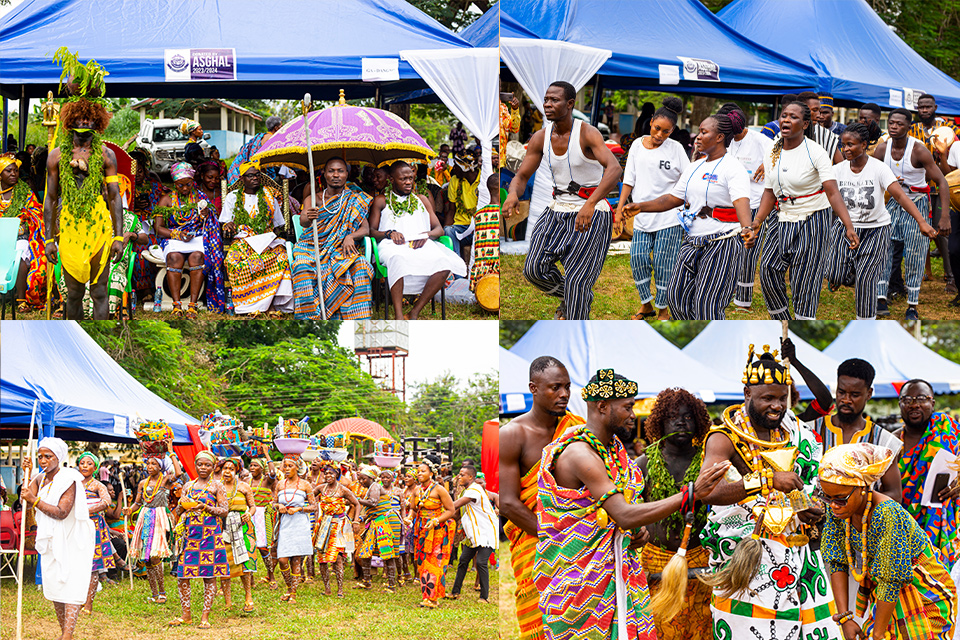
For members of the African diaspora, the journey back to Ghana has traditionally meant visiting castles, touring museums, and perhaps spending an afternoon in a cultural village. But what if reconnecting with your roots could mean something deeper? Our Ancestral Heritage Tours provide excellent introductions to Ghana’s culture. What if instead of observing Ghanaian life from a distance, you could live it alongside families who share your ancestral heritage?
The Living Ancestry Experience represents a fundamental shift in how diasporans engage with Ghana. Moving beyond the conventional tour circuit, this immersive approach transforms visitors into temporary community members, creating connections that last far longer than any vacation.
The Evolution of Heritage Tourism
Traditional heritage tours serve an important purpose. Sites like Cape Coast Castle and Elmina remain essential for understanding the painful history of the transatlantic slave trade. Ghana’s royal Ashanti palaces and sacred ancestral sites offer glimpses into the rich cultural traditions that sustained our people for centuries.
But today’s diasporans are asking for more. They want to move beyond the tour bus and into the lived experience of contemporary Ghanaian life. They want to understand not just where their ancestors came from, but how their descendants live today.
What Makes the Living Ancestry Experience Different?
The Living Ancestry concept builds on established heritage tourism by adding layers of authentic cultural exchange. Instead of staying in hotels and visiting communities during designated tour hours, participants integrate into daily Ghanaian life through carefully matched homestay experiences.
Creating Lasting Connections Through Shared Projects
The Living Ancestry Experience includes a collaborative community project component. Working alongside your host family and neighbors, you might help repair a village shrine, document oral histories from elders, plant heritage gardens with traditional medicinal plants, or assist with school improvements.
These projects create tangible legacies. Years later, you can return to see the garden you planted flourishing or know that the oral histories you recorded preserve knowledge for future generations. Your host family has a concrete reminder of your time together beyond photographs.
Many participants discover potential business partnerships through these projects. A diaspora entrepreneur might connect with a talented artisan and later help bring their products to international markets. Someone with agricultural expertise might identify opportunities to support sustainable farming practices. The relationships formed during the Living Ancestry Experience often evolve into ongoing collaborations.
Genealogical Storytelling and Ancestral Connections
Each Living Ancestry program includes dedicated time with village elders who serve as living repositories of local history. These storytelling sessions explore family lineages, migration patterns, cultural practices, and historical events that shaped the community.
For diasporans, these conversations sometimes reveal unexpected connections. An elder might recognize a surname that suggests ancestral ties to the region. Traditional practices you learned from your grandmother might have direct parallels in local customs. Understanding these connections, even when they can’t be definitively proven, provides a sense of belonging that many diasporans describe as healing.
The experience concludes with a traditional naming ceremony where participants receive Ghanaian names based on their day of birth and the heritage connections discovered during their stay. This ceremony, conducted by local traditional authorities, represents a formal acknowledgment of your return and reconnection with ancestral lands.
Timing Your Experience with Cultural Celebrations
The Living Ancestry Experience becomes even more powerful when aligned with Ghana’s traditional festivals. Imagine participating in the Homowo festival with your Ga-Adangbe host family, not as a spectator but as someone who helped prepare the traditional kpokpoi meal and understands the historical significance of this “hooting at hunger” celebration.
Or experiencing the Adae festival in an Ashanti community, witnessing sacred ceremonies that outsiders rarely see because you’ve been integrated into the community through weeks of shared daily life. These insider perspectives on cultural celebrations create memories and understanding that surface-level festival tourism cannot match.
Personalization: Your Heritage Journey, Your Way
While the Living Ancestry Experience follows a general framework, Diaspora Affairs Ghana recognizes that every diaspora member’s journey is unique. Some participants want to focus intensively on spiritual reconnection, spending more time with traditional priests and visiting sacred sites. Others prioritize agricultural heritage, extending their time on working farms. Still others seek to explore entrepreneurial opportunities, meeting with young Ghanaian innovators transforming traditional industries.
Diaspora Affairs Ghana works with participants to customize experiences that align with individual heritage goals, interests, and the depth of engagement desired. Whether you’re seeking a two-week intensive immersion or a month-long sabbatical exploring multiple regions, the organization can design a program that meets your specific needs.
Contact Diaspora Affairs Ghana to discuss how the Living Ancestry Experience can be personalized for your heritage journey. Their team will work with you to identify suitable host communities, align your visit with cultural events, and incorporate any specific learning objectives or connection goals you have.
Preparing for Deep Cultural Immersion
The Living Ancestry Experience requires different preparation than typical heritage tours. Participants should expect basic accommodations that reflect how most Ghanaians actually live. This might mean bucket baths, sleeping on mats, irregular electricity, and meals that differ significantly from what you’re accustomed to.
Physical fitness matters because farm work and daily activities can be demanding. An open mind matters even more. You’ll encounter cultural practices that might initially seem strange or inefficient. Suspending judgment and approaching everything with curiosity allows for genuine learning.
Language preparation helps enormously. While many Ghanaians speak English, learning basic phrases in Twi, Ga, or Ewe shows respect and opens doors to deeper conversations. Your host family will delight in teaching you their language, and your efforts to use it, however imperfect, will be celebrated.
Building Toward Permanent Reconnection
For many participants, the Living Ancestry Experience serves as a trial run for more permanent reconnection. After living in a Ghanaian community for weeks, you’ll have realistic understanding of what long-term relocation might entail. You’ll have established relationships that can support your transition. You’ll have identified potential business opportunities or community roles.
Diaspora Affairs Ghana offers comprehensive relocation and transitional support services, helping diasporans navigate everything from visa requirements to business registration. The Living Ancestry Experience provides the foundation of cultural knowledge and community connections that make permanent relocation more feasible and fulfilling.
Even if you don’t relocate permanently, the connections established during your Living Ancestry Experience create ongoing ties. Many participants return annually to the same host family, watching children grow, attending weddings and funerals, and maintaining relationships that blur the line between host and family.
The Future of Heritage Tourism
The Living Ancestry Experience represents where heritage tourism is heading. As Ghana continues positioning itself as the gateway to Africa for the global diaspora through initiatives like the 2025 Heritage Month and “Black Star Experience,” the emphasis shifts from passive observation to active participation.
This evolution recognizes that true reconnection requires more than tourism. It requires relationship building, cultural exchange, mutual learning, and the kind of authentic human connection that only happens when people share daily life together.
The castles and museums remain important. The guided tours of historical sites serve their purpose. But for diasporans seeking to truly understand their heritage and reconnect with ancestral lands, immersive experiences like the Living Ancestry program offer transformation that conventional tourism cannot match.
Beginning Your Journey
The path back to Ghana takes many forms. For some, it begins with a traditional heritage tour, visiting the historical sites that anchor our shared story. For others, it starts with the Living Ancestry Experience, diving immediately into deep cultural immersion.
Diaspora Affairs Ghana supports both approaches and everything in between. Our Ancestral Heritage Tours provide excellent introductions to Ghana’s cultural landscape. The Living Ancestry Experience takes that foundation and builds toward genuine integration into Ghanaian community life.
Whatever your starting point, the important thing is to begin. Each diaspora member who makes the journey back strengthens the bonds between Ghana and its global family. Each authentic connection created through programs like the Living Ancestry Experience helps heal historical wounds and builds toward a future where the African diaspora and continental Africans collaborate as partners in shared progress.
Ghana awaits with open arms and families ready to welcome you home, not as tourists, but as returning family members reconnecting with your roots through lived experience.
Ready to move beyond tourism and into genuine ancestral reconnection? Contact Diaspora Affairs Ghana today to discuss creating a personalized Living Ancestry Experience that aligns with your heritage goals and transforms your understanding of what coming home to Ghana can mean.