
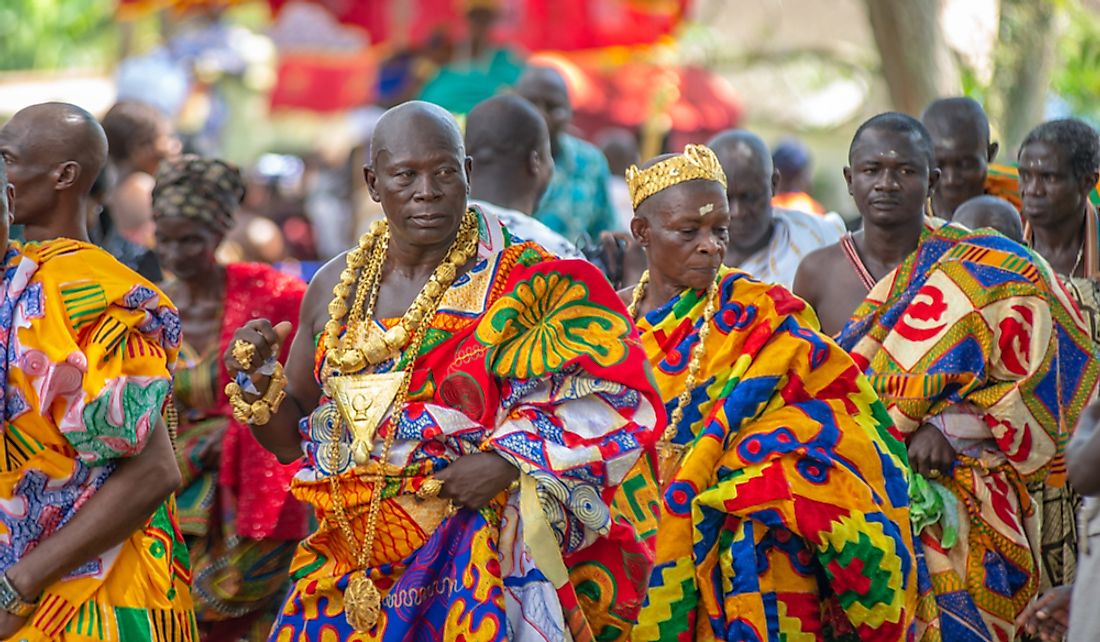
Ghana’s cultural calendar is a vibrant tapestry of heritage events that celebrate the nation’s diverse traditions, history, and community bonds. Diaspora Affairs Ghana enhances these experiences through our Ancestral Heritage Tours, providing guided journeys through the country’s most significant cultural and historical sites for those seeking deeper connections to their roots.
For personalized tour experiences tailored to your specific interests, contact us to create a customized heritage journey.
PANAFEST and Emancipation Day: Celebrating Unity and Freedom
PANAFEST (Pan African Historical Theatre Festival) stands as one of Ghana’s most significant heritage events, celebrating African unity, history, and the end of slavery. This national event brings together people from across the African diaspora through arts, theatre performances, traditional drumming and dancing, and cultural programs that honor shared heritage and resilience.
Held biennially, PANAFEST coincides with Emancipation Day celebrations on August 1st at historic sites like Cape Coast Castle and Elmina Castle. These powerful commemorations feature candlelight vigils, wreath-laying ceremonies, and performances that create a profound atmosphere of reflection. For many people of African descent worldwide, this period represents a meaningful pilgrimage to reconnect with ancestral roots and celebrate freedom.
Traditional Festivals That Define Ghanaian Culture
The Homowo Festival, celebrated by the Ga people in Accra, marks a great harvest after a historic famine. The name itself means “hooting at hunger,” and during this vibrant festival, families prepare traditional kpokpoi (a special corn dish) and sprinkle it around their homes in remembrance of their ancestors. The streets transform into a cultural showcase with music, dancing, and traditional processions that bring communities together in joyful celebration.
In Winneba, the Aboakyer Festival captivates audiences with its thrilling deer-hunting tradition. Two warrior groups, the Tuafo and Dentsifo, compete to catch a live deer and present it to their chief. This Central Region festival symbolizes migration history and warrior traditions, drawing thousands of spectators who witness this unique display of bravery and community pride.
The Bakatue Festival in Elmina takes place each July, marking the opening of the Benya Lagoon for fishing. This centuries-old tradition combines spiritual rituals with community celebration, featuring a grand procession of the paramount chief and his people to the lagoon, followed by festivities that honor both tradition and livelihood.
The Kundum Festival, celebrated by the Fante people in the Western Region, is a thanksgiving festival that marks the harvest season. With colorful processions, traditional music, and cultural displays, this festival reinforces community identity and spiritual connections.
Contemporary Cultural Celebrations
Ghana’s heritage scene also embraces modern expressions of culture. The Chale Wote Street Art Festival has become Accra’s most vibrant celebration of contemporary art, transforming the historic Jamestown neighborhood into an open-air gallery. This annual August event showcases street art, fashion, music, and performance art, attracting local and international artists who create murals, installations, and interactive experiences that bridge traditional and contemporary African culture.
Heritage Month: A Nationwide Celebration
Every March, Ghana celebrates Heritage Month through initiatives organized by the Ghana Tourism Authority (GTA), creating a month-long festival of culture, cuisine, and community.
The Heritage Caravan tours through Ghana’s diverse regions, bringing cultural experiences directly to communities across the country. This mobile celebration showcases traditional practices, crafts, and performances that might otherwise remain hidden from broader audiences.
Ghana Music Month promotes Ghanaian music in all its forms, from highlife and hiplife to gospel and traditional drumming. Concerts, showcases, and educational programs highlight the nation’s rich musical heritage and contemporary innovations.
The Taste 68 @ 68 Food Fair celebrates Ghana’s culinary diversity by showcasing 68 traditional Ghanaian dishes, representing the country’s ethnic variety and regional specialties. This gastronomic journey offers both education and delicious discovery.
The Akwaaba Festival at the National Theatre brings together arts and culture in a grand celebration featuring performances, exhibitions, and cultural demonstrations that welcome both locals and visitors to experience Ghana’s creative spirit.
The Gob3 Festival celebrates one of Ghana’s most beloved street foods, gari and beans, elevating this humble meal to cultural icon status through cooking competitions, tastings, and community gatherings.
The Back To Your Village Festival at the AMA forecourt encourages people to reconnect with their roots through traditional meals and cultural activities that honor village traditions and family heritage.
Year-Round Heritage Experiences
Beyond scheduled festivals, Ghana offers continuous heritage experiences through various programs and institutions.
The Pan African Heritage World Festival, organized by the Pan African Heritage Museum (PAHM), celebrates Africa’s legacy through exhibitions, performances, and educational programs that connect past achievements with contemporary Pan-African identity.
Spice Events creates cultural experiences focusing on community engagement, including heritage getaways that combine relaxation with cultural immersion, allowing participants to experience Ghana’s traditions in intimate, meaningful settings.
Taste The Culture events bring together cuisine, music, and fashion in celebrations that showcase how these elements interweave to create Ghana’s distinctive cultural identity.
Heritage Tours provide essential connections to Ghana’s history through visits to significant sites. Cape Coast Castle and Elmina Castle offer sobering yet important encounters with the transatlantic slave trade’s history. Assin Manso, the final resting place of enslaved ancestors, serves as a place of reverence and reflection. These tours often include experiences with traditional crafts, visits to kente weaving centers, and encounters with woodcarvers, beadmakers, and other artisans who preserve centuries-old techniques.
The Cultural Impact and Future of Heritage Events
These heritage events serve vital purposes in Ghanaian society. They preserve ancient traditions and pass them to younger generations, strengthen community bonds across ethnic groups, and attract tourism that supports local economies. The festivals and celebrations also provide opportunities for cultural exchange and education, allowing people from different backgrounds to learn about and appreciate Ghana’s diverse heritage.
Many events have evolved over time, incorporating contemporary elements while maintaining their traditional core. The success of festivals like Chale Wote demonstrates how Ghana honors its past while embracing creative innovation. This balance between preservation and adaptation ensures that Ghana’s heritage remains relevant and vibrant for future generations.
Planning Your Heritage Event Experience
Ghana’s heritage calendar offers something for every interest and season. Whether you’re drawn to ancient festivals steeped in ritual, contemporary art celebrations, culinary experiences, or historical commemorations, careful planning enhances your experience.
Most festivals welcome guests warmly, offering unique opportunities to witness living history and join authentic cultural celebrations. However, remember that these are not performances staged for tourists but genuine community events with deep spiritual and social significance. Approaching them with respect and openness creates meaningful connections and unforgettable experiences.
Ghana’s heritage events are living expressions of identity, history, and community that continue to shape the nation’s cultural landscape. From the solemn commemorations at coastal castles to the joyful streets of Chale Wote, from traditional deer hunts to contemporary food festivals, these celebrations connect past, present, and future in ways that honor tradition while embracing innovation. Whether you’re a local resident reconnecting with your roots or an international visitor discovering Ghana for the first time, these heritage events offer transformative experiences that celebrate the enduring spirit of Ghanaian culture.